Tsavo is one of Kenya’s oldest and largest wilderness areas—an untamed region where the land stretches endlessly, the sky feels wider, and the wildlife moves with a freedom rarely seen in other parks. While many travellers flock to the Maasai Mara or Amboseli, Tsavo often remains a quiet giant, offering remote beauty and raw authenticity. For those seeking deeper safari experiences, Tsavo’s hidden trails reveal a side of Kenya that feels ancient, untouched, and thrillingly wild.
Today, we explore why Tsavo’s lesser-known routes are becoming a favourite for travellers who want more than the usual safari experience.
A Wilderness Known for Its Red Elephants
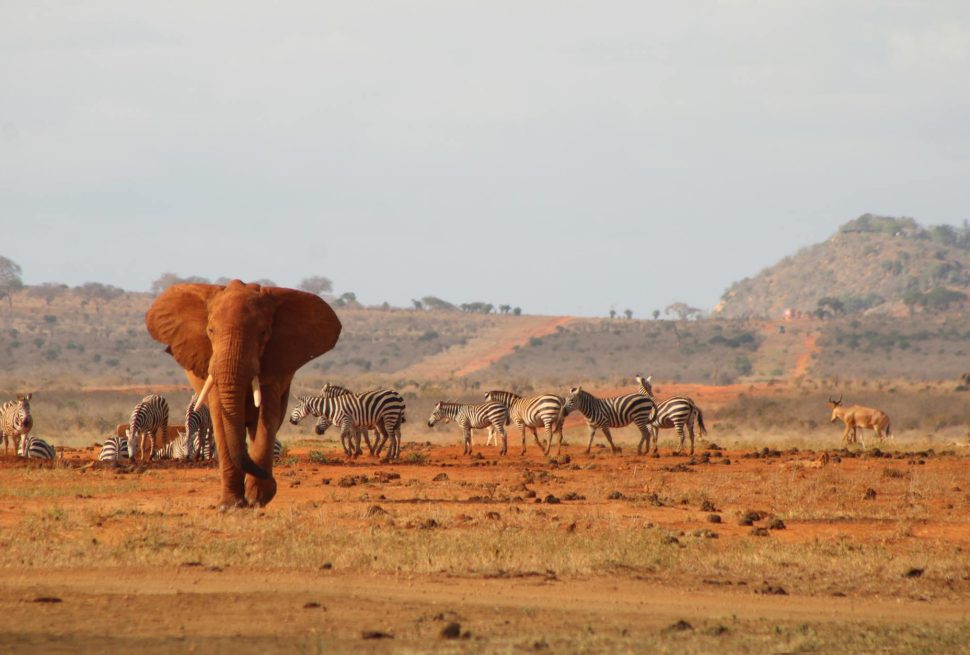
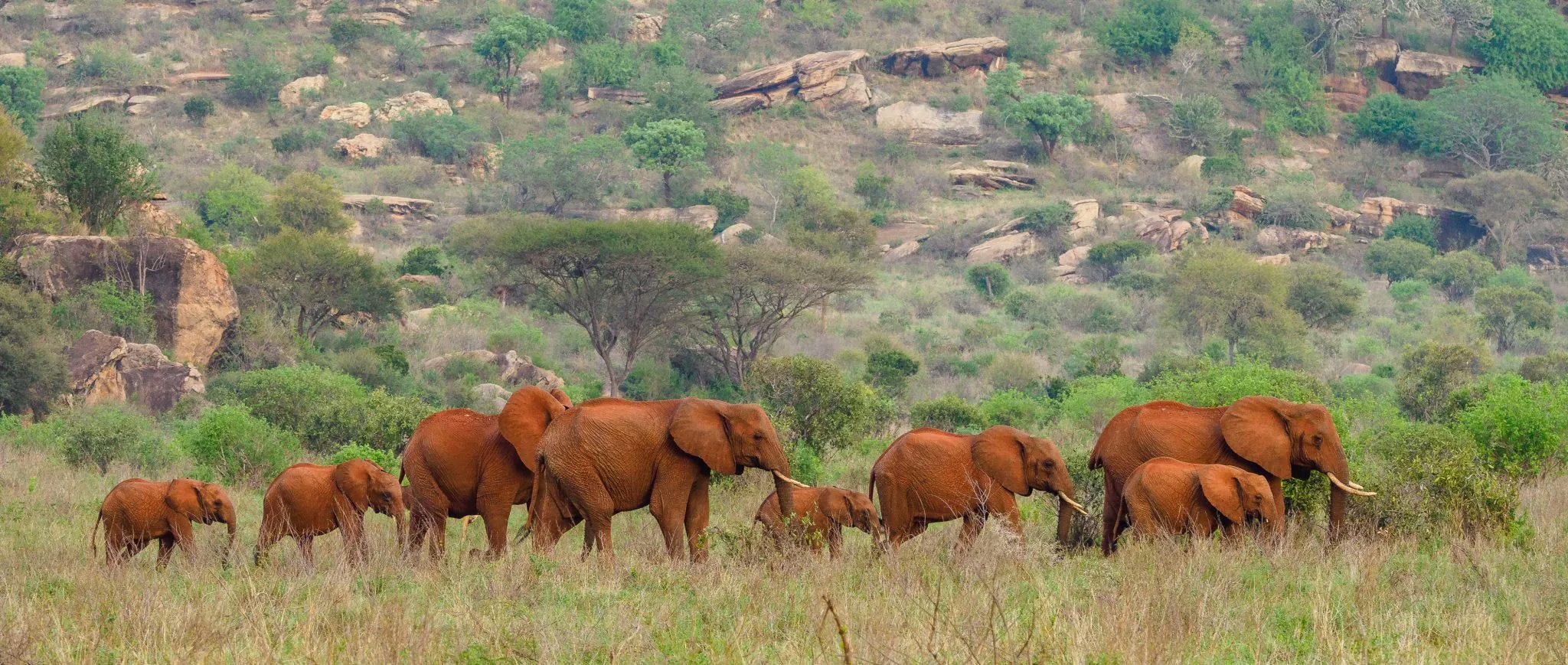
Tsavo is famous for its red-coated elephants—gentle giants that roll in the region’s rich, red laterite soil. In the early morning light, these elephants appear almost bronze, their massive shapes blending beautifully with the surrounding terrain.
On hidden trails far from the main tracks, visitors often encounter herds moving quietly through the bush, led by experienced matriarchs who know every waterhole, ridge, and shade tree. Watching them walk gracefully across open plains is one of Tsavo’s most iconic moments.
The Legendary Man-Eaters and the River That Defines Tsavo
The Tsavo River weaves through the park, providing life to an otherwise dry and rugged landscape. Along its banks, you will find hippos, crocodiles, and a rich array of bird species. But historically, these riverbanks also witnessed one of Kenya’s most mysterious episodes—the Tsavo Man-Eaters.
During the construction of the Uganda Railway in 1898, two lions terrorized the workers near the river, giving Tsavo a fearsome reputation. Today, the region is peaceful, but the story adds an air of legend to the land. Visitors exploring remote trails still feel the sense of history embedded in the terrain.
Landscapes that Shift Dramatically
Tsavo is not one landscape—it is many. As you travel deeper into the park, everything changes:
- rugged red earth contrasts with pockets of green,
- dry grasslands give way to rocky lava fields,
- vast open plains lead into thick acacia forests,
- and distant mountains rise blue against the horizon.
This constant shift creates an atmosphere of exploration. Every turn feels new. Every trail opens to something unexpected.
Hidden Waterholes: Where the Action Happens
While popular parks have predictable wildlife zones, Tsavo’s magic often happens near hidden waterholes known mainly to experienced guides. These secluded spots attract buffalo, giraffes, antelopes, elephants, and sometimes even big cats searching for a drink.
Sitting quietly at one of these waterholes is one of the most intimate safari experiences you can have. There’s no rush, no crowds, just the rhythm of nature—animals arriving one by one, each alert and cautious, each contributing to the drama of survival.
Birdlife That Thrills Experts
Tsavo is a paradise for bird watchers, home to over 500 species. On the lesser-traveled trails, you will encounter rare species such as:
- the golden-breasted starling,
- Somali bee-eaters,
- vulturine guineafowls,
- martial eagles,
- and the unusual hornbills that thrive in dry forests.
For many birding enthusiasts, Tsavo is the highlight of their Kenyan safari.
Why Tsavo Feels Like a True Adventure
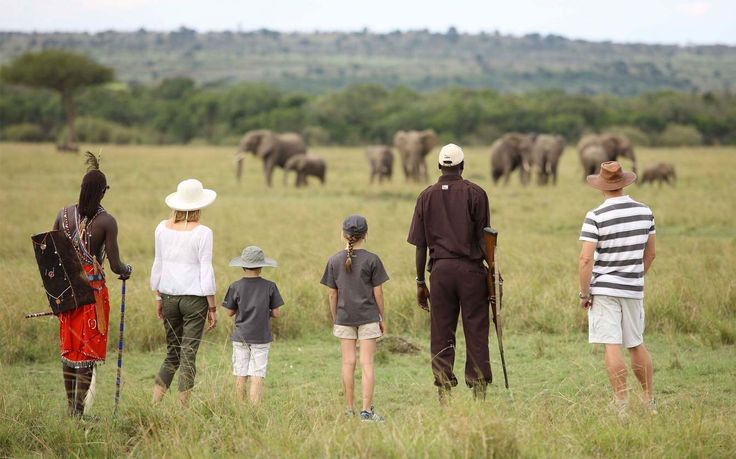
What sets Tsavo apart is its sheer scale and solitude. You can drive for long stretches without seeing another vehicle, a rarity in today’s safari world. This gives visitors a sense of true exploration, as though they are discovering Kenya’s wild spaces for the first time.
The air is filled with the scent of dust and acacia. The land feels alive yet undisturbed. For travellers who crave authenticity, Tsavo is an unforgettable destination—a place where the safari spirit feels raw and genuine.
Travel Tips for an Unforgettable Tsavo Experience
To make the most of your adventure, consider the following:
1. Choose a knowledgeable guide
Tsavo’s size requires an experienced guide who knows the hidden trails.
2. Start early for the best sightings
Predators and elephants are most active before the heat builds.
3. Carry plenty of water
The terrain is hot and dry, especially between December and March.
4. Visit both Tsavo East and Tsavo West
Each side offers completely different landscapes and wildlife experiences.
5. Stay in a lodge close to the trails
This reduces travel time and lets you explore deeper into the park.
Final Thoughts
Tsavo’s hidden trails reveal a Kenya that is wild, ancient, and unfiltered. This is a destination for those who want silence, space, and the thrill of discovery. It is a reminder that safari is not just about ticking off the Big Five—it is about connecting with landscapes that are alive with stories, history, and breathtaking beauty.